
Main Shut Offs: Control First, Then Act
There’s a particular sound that gets your attention fast — a drip under the sink, a sudden spray, or a hum from the panel that doesn’t feel right. Not knowing how to stop that sound causes unnecessary panic. A little prep work is all it takes to take control of your systems.
When something goes wrong in a house, we tend to jump straight to worst-case thinking. We assume it’s complicated or expensive. But usually, the first problem isn’t the repair. It’s the uncertainty.
- Not knowing where the water shuts off.
- Not knowing which breaker controls that outlet.
- Not knowing how to pause the situation long enough to think clearly.
Control changes that. And control starts with your main shut offs.
What Main Shut Offs Really Are
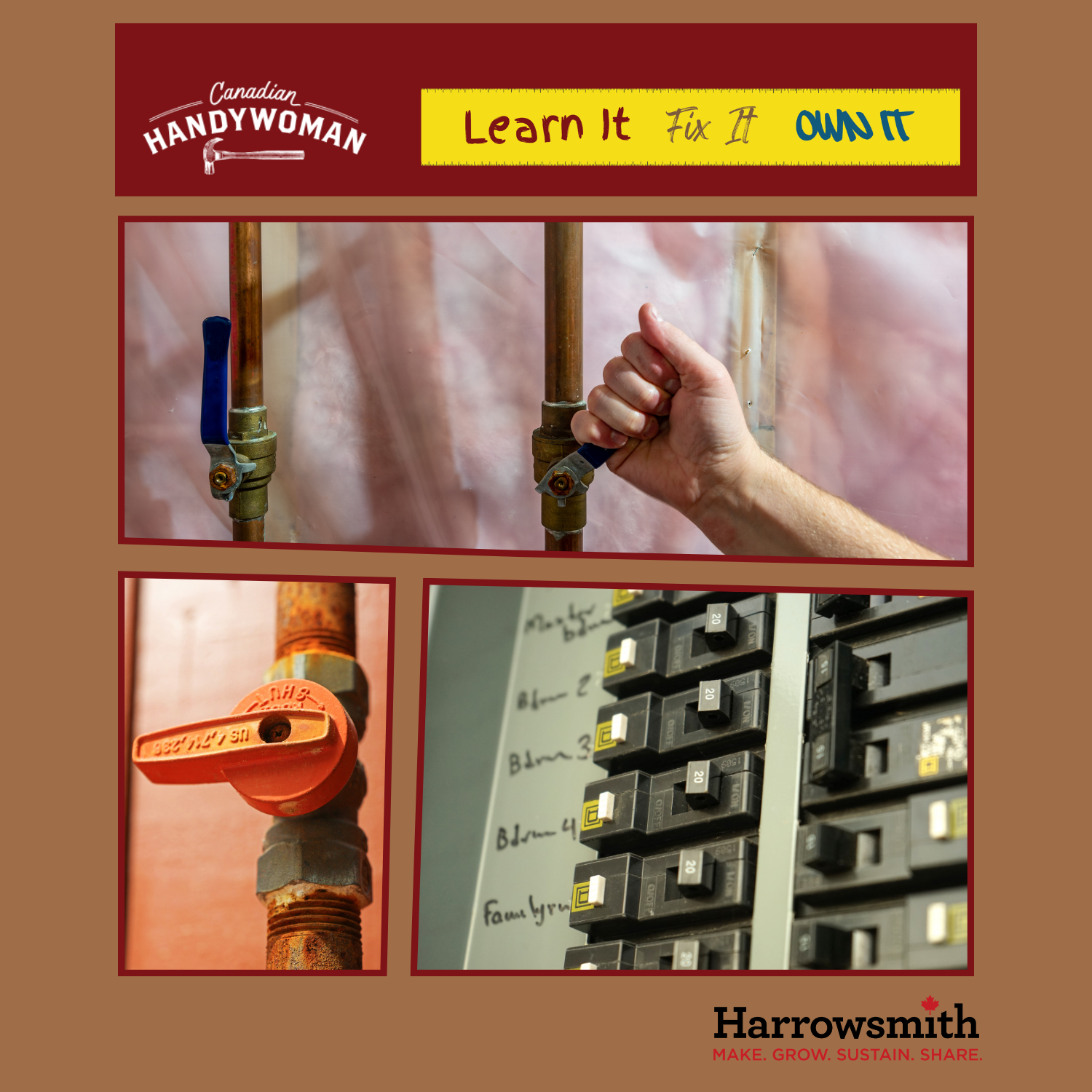
Main shut offs are simply the primary points that stop the flow of a utility — water, gas, or electricity. They exist so you can interrupt the system safely during a leak, repair, or outage.
In practical terms, that means turning off the water before replacing a faucet, flipping a breaker before investigating an electrical issue, or shutting down a gas line if something doesn’t smell right. These aren’t advanced skills. They’re foundational ones.
Some main shut-off valves require a special tool to access. That’s something you want to discover on a calm afternoon, not in the middle of an emergency. Knowing where your shut offs are — and confirming how they operate — creates breathing room.
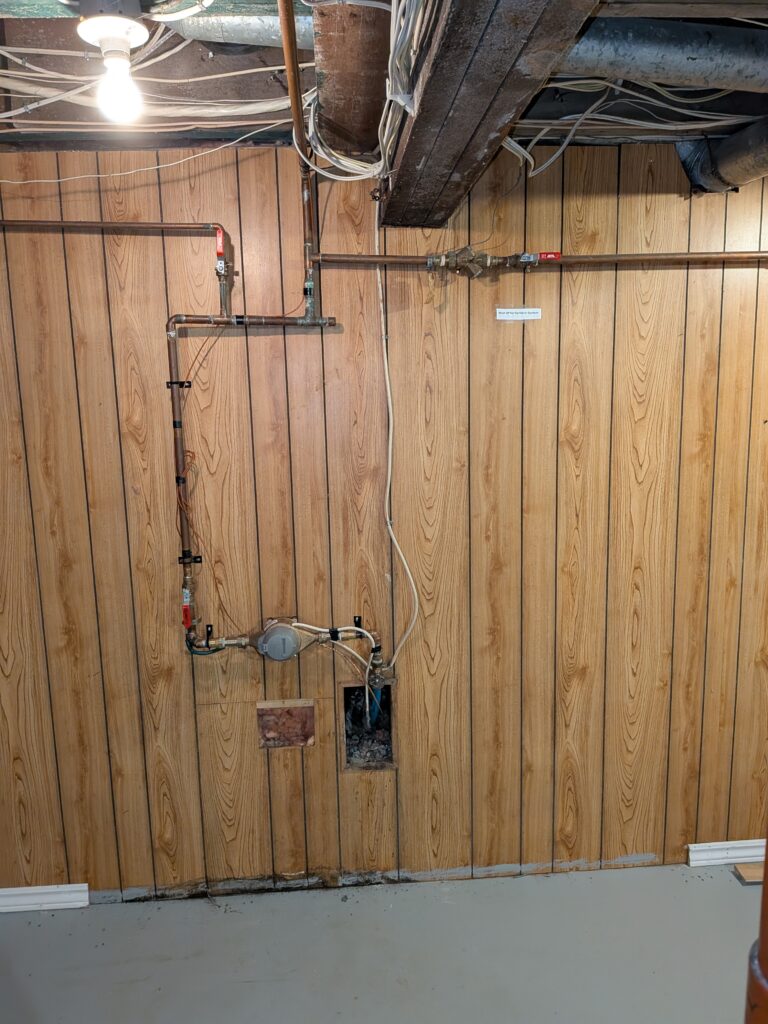
Pro Tip: mark your shut off points.
There are main shut-offs to the whole system but there can also be multiple shut-offs throughout a whole system.
This is a common water system. It’s the main line coming into the house and there are 3 pipes branching out into 3 directions.
If only one area of the house has a problem, it’s best to shut off the water to that area only instead of the whole home.
When you can stop the flow, you lower your pressure immediately.
Why Control Makes Repairs Simpler
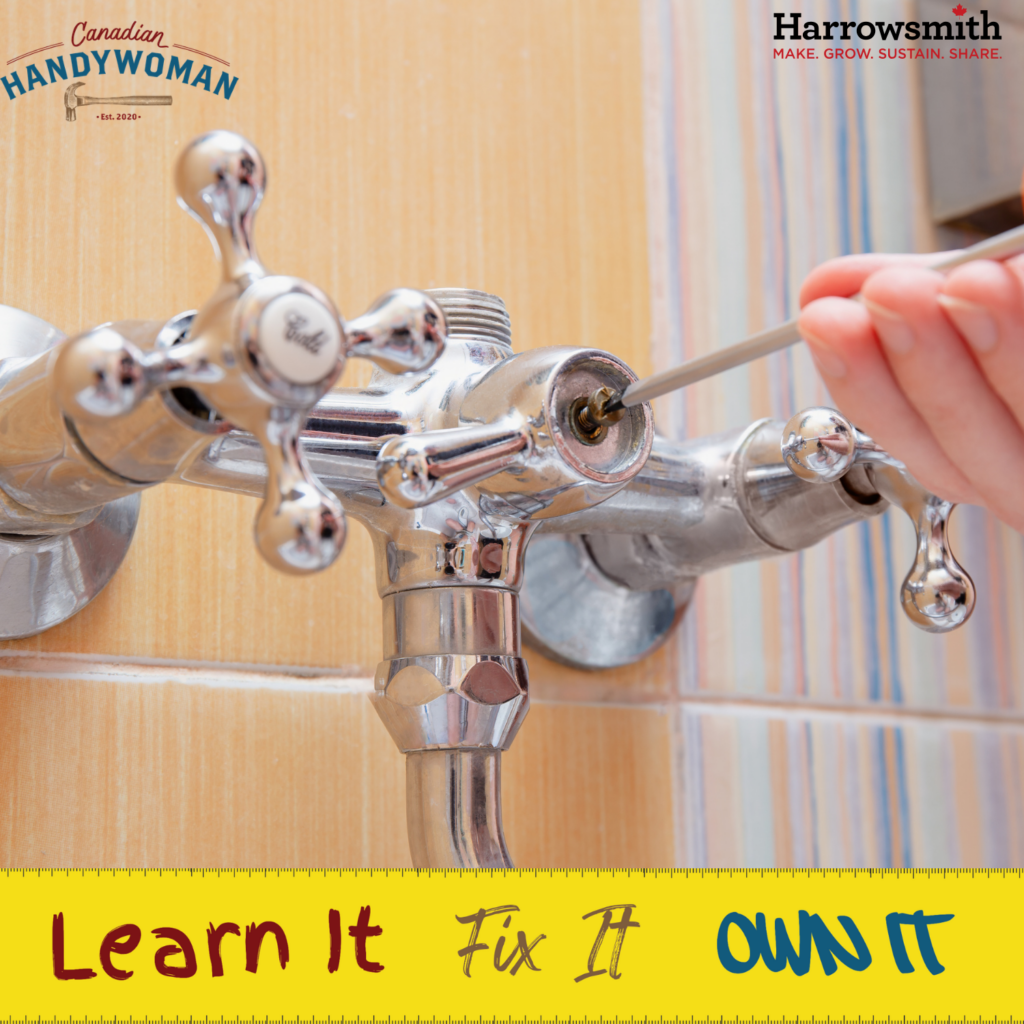
Let’s look at a common example: changing a faucet.
A dripping faucet is irritating, and it’s wasteful. A leaking faucet can waste over 11,000 litres of water a year. But the repair becomes far less intimidating when you approach it in the right order. First, shut off the water supply. It’s best if you can turn off the water as close to the issue as possible. Does your sink have a shut off valve?
Once it’s off you can confirm what you need to replace before purchasing a new faucet. Only then do you remove and replace what’s needed.
The confidence doesn’t come from knowing every plumbing detail. It comes from knowing you can stop the system safely. Once the water is off, the urgency disappears. You’re no longer reacting — you’re choosing your next step.
That shift alone changes how the job feels.
Three Practical Steps to Build Confidence
If this feels abstract, keep it simple.
- Locate the main shut-offs for water, gas, and your electrical panel.
- Confirm how each one operates.
- Make sure you can access them easily before an emergency happens.
That’s it.
You are not fixing anything yet. You are building familiarity. And familiarity lowers stress. Once you know how to stop a system safely, common repairs stop feeling dramatic. They become manageable, because you’ve removed the panic.
If You’re Thinking, “I Should Already Know This”
Many capable homeowners carry quiet embarrassment about this topic. They feel like they should already know where everything is.
But most people were never shown. Confidence doesn’t come from pretending you understand. It comes from exposure and repetition. When you see your shut offs, touch them, and understand how they operate, tension gets replaced with steadiness.
Control plus patience leads to cleaner repairs and better results. Not because you’ve become a tradesperson overnight, but because you’ve created stability before taking action.
Bringing It Together
This month is about understanding before fixing.
Main shut-offs give you the ability to stop a system safely. A faucet replacement becomes manageable when water flow is controlled first. Patience keeps small jobs from turning into larger ones. Control first. Then act.
If you’d like help walking through your home’s shut-offs and understanding how everything connects, you can book a Home Walk Through. You’ll also receive a free Home Basics Confidence Checklist covering shut-offs, prep steps, and patience reminders so you have something practical to refer back to.
Because when you know how to stop the flow, you change how you experience every repair.