
The quiet moment every homeowner recognizes
It usually starts with something small.
Maybe the dryer is taking two cycles instead of one. Or the laundry room light flickers, and you realize the fixture is older than the house paint around it. Nothing feels urgent, but there is that small moment of hesitation—the pause where you wonder if this is something you should already know how to handle.
Most of the time, the problem isn’t the repair itself. It’s the uncertainty surrounding it.
💡 Pro-Tip: The “Sticky” Lint Screen
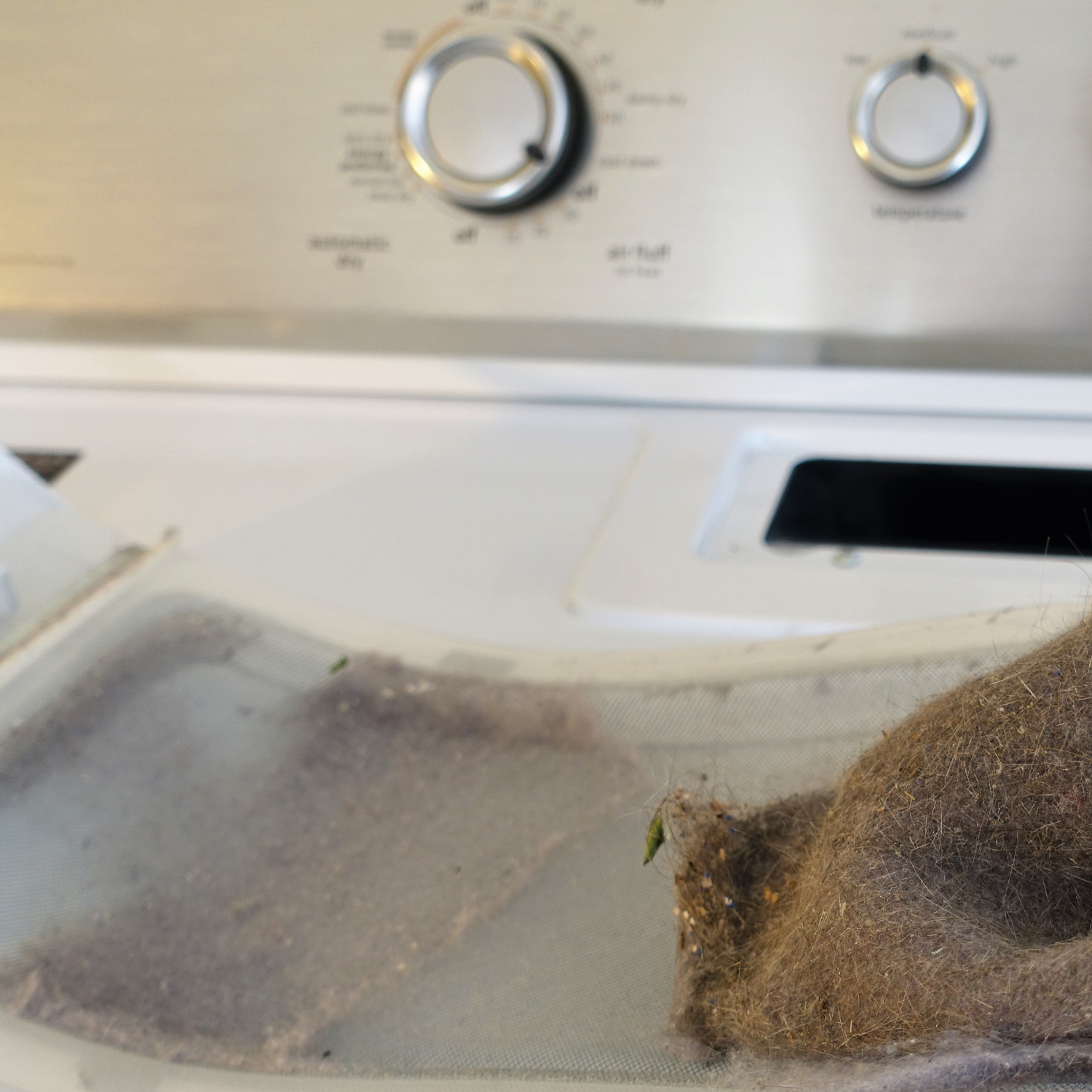
Even if you clean your lint screen every load, fabric softener and dryer sheets can create a transparent, waxy buildup. Once a month, run your screen under the sink. If the water pools instead of flowing straight through, scrub it with a bit of dish soap and an old toothbrush. Your dryer will breathe (and dry) much faster!
The Real Challenge is Usually Uncertainty
Homes are full of systems that quietly do their job every day. Because they work so reliably, most people never learn much about them—until something changes. When a system finally needs attention, the “unknown” makes the problem feel much bigger than it actually is.
This is where resourcefulness comes in. It’s not about rushing into a fix or ignoring the issue; it’s about slowing down long enough to understand the “why” behind the “what.”
Confidence at home rarely comes from massive renovations. It builds through the small decisions that make everyday systems feel familiar instead of mysterious.
Understanding Your Laundry System: Small Awareness, Big Impact
Laundry appliances are some of the hardest-working systems in your home. Because they are routine, they are easy to overlook—until the dryer feels too hot or the clothes stay damp.
The dryer relies entirely on airflow. Warm air moves through the drum, picks up moisture, and carries lint out through the vent.
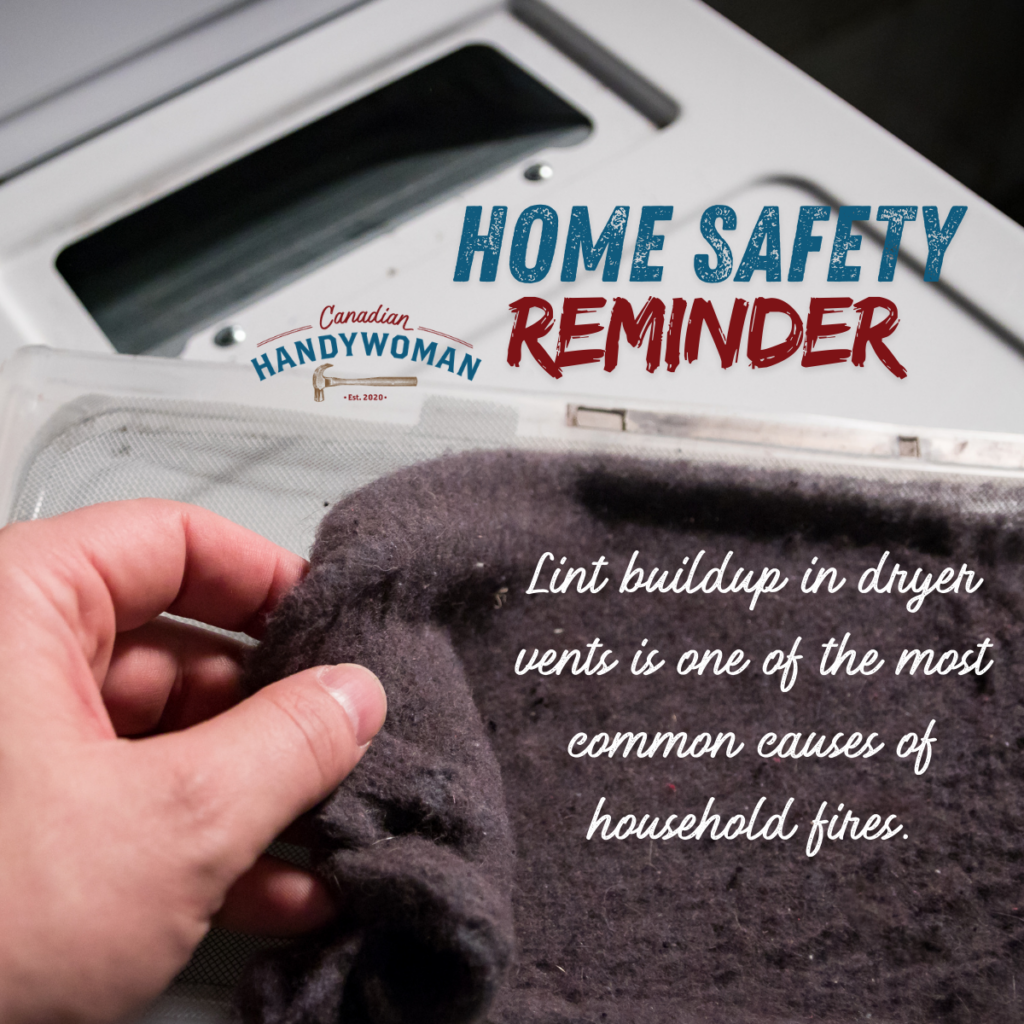
Here is the detail many homeowners don’t realize: Dryer lint is essentially highly-effective kindling. It is extremely flammable. When buildup reduces airflow, the dryer works harder and runs hotter. That extra heat is what turns a simple maintenance task into a safety concern.
🛠️ Resourceful Questions to Ask Yourself:
Do I have a tool that helps here? (e.g., “A vacuum attachment or a simple wrench might be all I need.”)
Before you call a technician or feel the “house panic” set in, take a breath and ask: What system am I looking at? (e.g., “This is the airflow system of my dryer.”)
What is the simplest safety step? (e.g., “I’ll unplug the unit or check the vent path.”)
The Wrench: A Small Tool That Shows Up Everywhere
Many home adjustments rely on the same simple mechanics. Nuts and bolts hold appliances together, secure plumbing connections, and support your fixtures.
This is where the wrench quietly earns its place. A wrench gives you “mechanical advantage”—it’s the tool that turns a stubborn “no” into a “yes” by giving you the grip your hands can’t manage alone.
You’ll find these connections everywhere:
- Appliance hookups: The hoses behind your washer.
- Plumbing: The shut-off valves under your sink.
- Furniture: That wobbly dining room chair.
The wrench itself isn’t complicated. What matters is recognizing that the situation is manageable with the tools you likely already own.

The Confidence Most Homeowners Think They’re Missing
A surprising number of capable people believe they should have “just known” these things. They assume everyone else learned home maintenance in some secret childhood class.
In reality, they didn’t.
Home knowledge is developed gradually. It’s built in the moments where something unfamiliar suddenly makes sense because you chose to look closer. Resourcefulness is simply the willingness to pause, look at what you have, and start there.
🏠 The “Confidence” Checklist:
- Observe: Watch your appliances work while they are running well so you recognize when they aren’t.
- Locate: Know where your “off” switches are (the breaker panel and the main water shut-off).
- Practice: Use a wrench to tighten one loose bolt today. Just one.
If You’d Like a Little Support Along the Way
If you’re the kind of homeowner who learns best by doing, you don’t have to Google your way through the anxiety alone.
Through Canadian Handywoman’s DIY Coaching, I work alongside you while you tackle projects in your own home. The goal isn’t just checking a task off your list—it’s helping you understand the “how” and “why” so the next decision feels easier.
Because once you’ve seen how a system works, you’re never starting from scratch again. And that is where real home confidence begins.
Click here to book a 1-on-1 Coaching Session and let’s tackle your “to-do” list together.