
You look at a wall that needs paint, a patch of yard that seems off, or a repair that’s been bugging you for weeks—and suddenly it all feels bigger than it probably is. That’s how most home projects start.
Not with a disaster, but with uncertainty.
When the real issue isn’t the house
A lot of the time, the hardest part isn’t the task itself. It’s not knowing:
- whether something is simple
- whether it matters right now
- or whether you should be the one doing it at all
That’s where people get stuck. They either jump in without a plan or avoid it completely.
Neither one feels good.
Taking care of your home isn’t about doing everything. It’s about understanding what you’re looking at and deciding what makes sense.
Painting gets easier when you know what matters

Painting is a great example of how understanding changes everything. Most people think painting is about colour or having a steady hand. But the outcome has a lot more to do with what happens before the paint ever touches the wall.
- Clean surface.
- Taped edges.
- A proper base underneath.
When you focus on prep, the rest becomes a lot more predictable. You’re not fighting the material, and you’re not trying to fix things as you go.
It also helps to know that paint can fool you. It may feel dry quickly, but that doesn’t mean it’s fully cured. That can take weeks. If you don’t know the difference, it’s easy to think something went wrong—when really, it just needs more time.
That’s a bigger lesson too. Just because something looks done doesn’t mean it is.
Your landscaping affects more than curb appeal
Outside the house, the same kind of thinking applies. Landscaping isn’t just about how things look. It affects how water moves around your home—and that matters.
The slope of the ground matters. Where water collects matters. Even where things grow matters. You don’t need to become an expert. You just need to start noticing.
- Does water move away from the house?
- Are certain areas always wet after rain?
- Is anything getting too close to your foundation?
That awareness helps you spot issues early and make better decisions before things get bigger.
Tools work better when you understand them
Confidence with tools doesn’t come from knowing everything. It comes from knowing what something is meant to do.
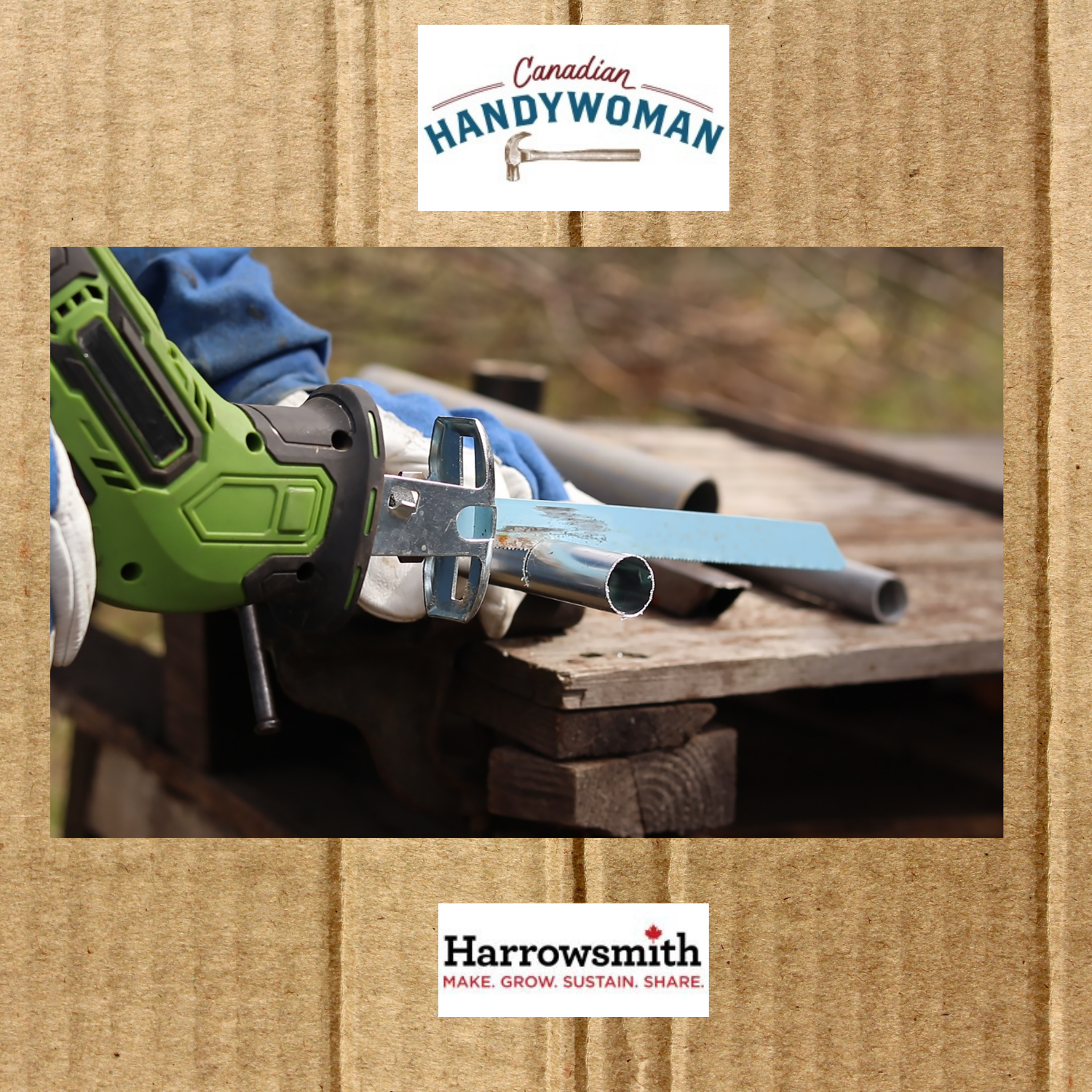
A Sawzall, for example, is for rough cuts. It’s meant for demolition and adjustments—not clean finishes.
If you expect a perfect edge from a rough-cutting tool, you’ll think you’re doing something wrong.
You’re probably not.
You just need a clearer picture of what the tool is for.
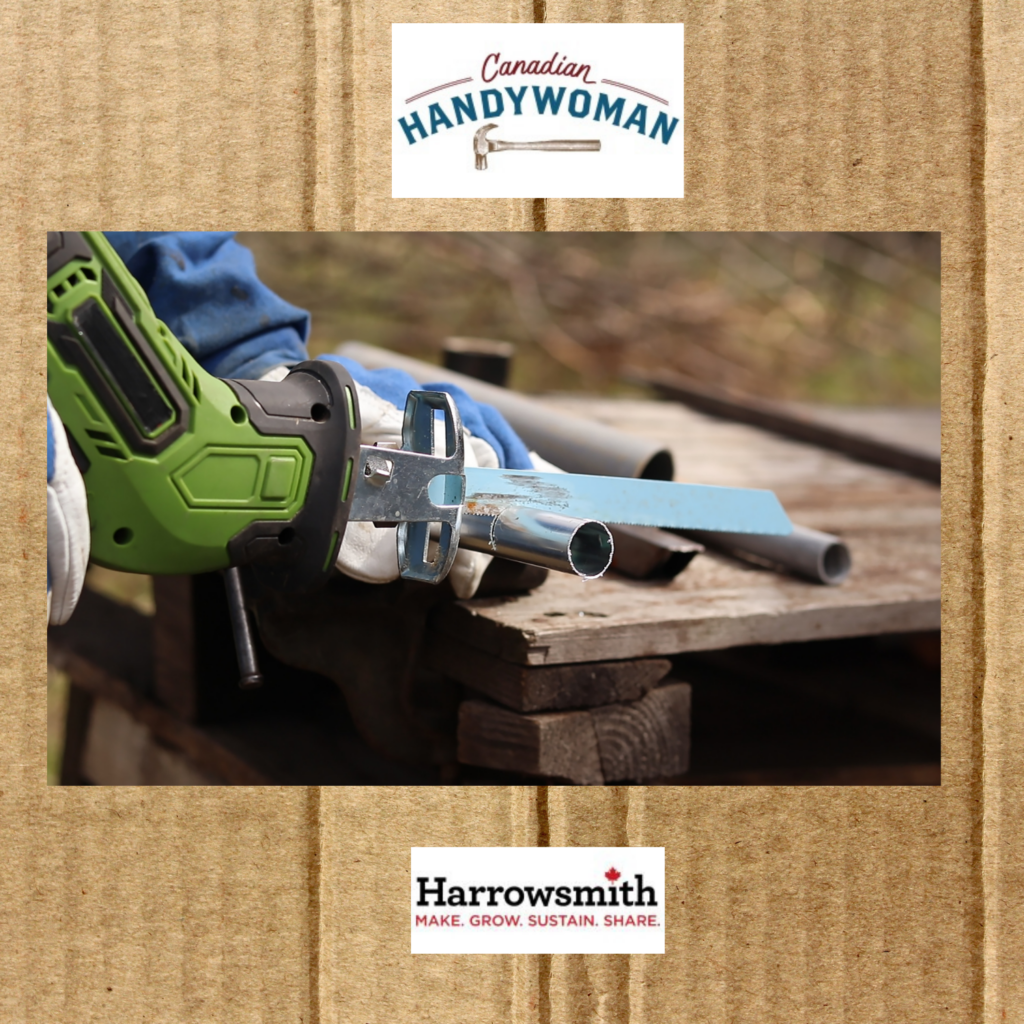
Same goes for something like a socket wrench. Once you understand how it works and what size you need, the job gets easier. You don’t need to know every tool. You just need enough understanding to stop guessing.
A few small actions go a long way
If you want to feel more in control of your home, keep it simple. Start with something you’ve been putting off—like painting. Instead of jumping into it, just look at the surface:
- Is it clean?
- Do the edges need taping?
- Would it need primer?
You don’t have to do the job today.
Just noticing these things gives you clarity. Then take a look outside.
Pay attention after a rain if you can.
- Where is the water going?
- Is it moving away from your home?
That one habit can tell you a lot. And before saying yes to any project, pause and ask:
- Do I have the time?
- The energy?
- The skill right now?
If the answer is no, that’s not failure. That’s good judgment.
You don’t need to know everything already
A lot of women carry this quiet pressure that they should already know how to handle things around the house.
Maybe nobody showed you. Maybe someone else always handled it. Maybe you were taught in a way that didn’t stick.
You’re not the problem. Confidence doesn’t come from pretending. It comes from understanding.
You’re allowed to learn as you go, to ask questions and to decide something isn’t yours to take on. That’s not weakness. That’s clarity.
Get clear before you start
If you’ve got projects on your list and you’re tired of second guessing yourself, you don’t need more information—you need clarity.
That’s where working together can help. We’ll look at what you’re dealing with, talk through what matters, and get you clear on what to fix, what can wait, and what to do next.
It’s simple, practical support—without pressure to do more than you need to. Get Project Clarity.